Industry Background and Market Surge
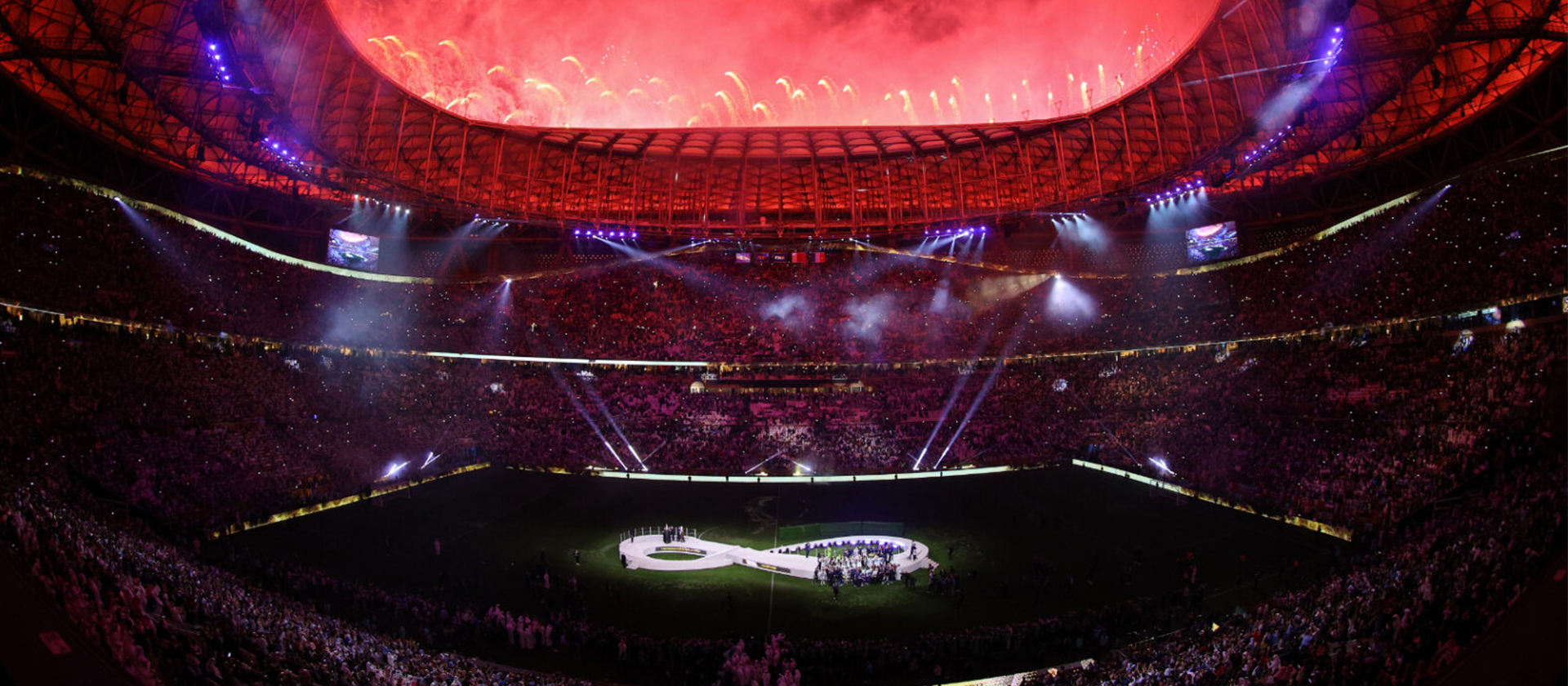
The stage lighting market, valued at $6.8 billion in 2023, is projected to reach $11.2 billion by 2030, with LED pixel lights accounting for over 65% of this growth according to industry analysts at Lighting Insights Global. Unlike traditional PAR cans and moving heads, LED pixel lights offer individual addressability of each LED node, enabling designers to create flowing patterns, high-resolution video mapping, and synchronized effects that were previously impossible with conventional fixtures.
"This isn't just an upgrade—it's a complete paradigm shift," says Maria Chen, creative director at Spectra Stage Designs. "We're now painting with light at the pixel level, treating the entire stage as a canvas rather than just illuminating performers."
Technical Breakthroughs Driving Adoption
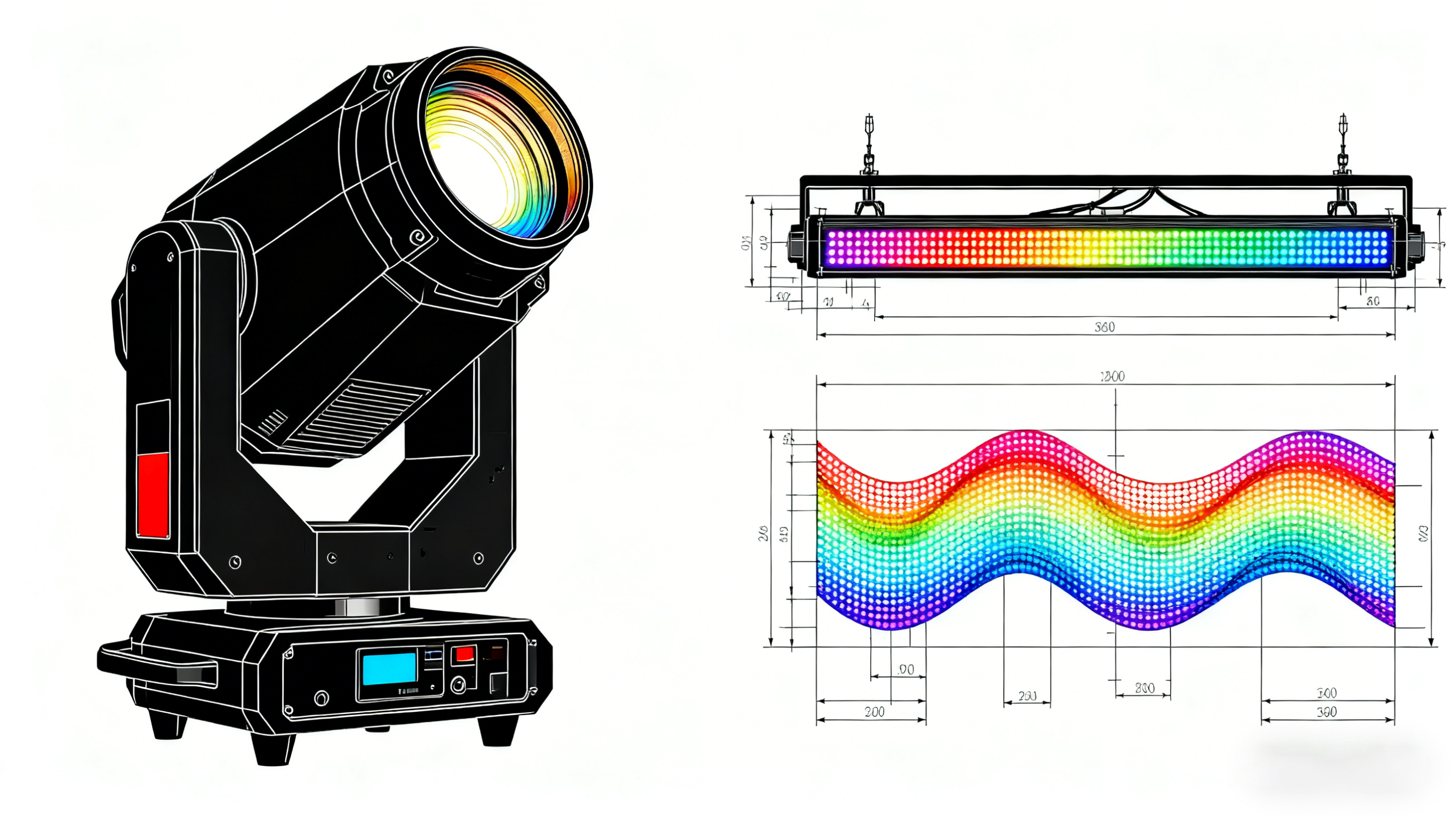
Modern LED pixel lights have overcome early limitations through several key innovations:
1. Enhanced Color Rendering Index (CRI): New-generation chips achieve CRI values above 95, solving the historical issue of washed-out skin tones. The proprietary SpectraTune technology developed by LuminaPro uses quantum dot enhancement to deliver studio-quality color accuracy while maintaining the efficiency benefits of LED.
2. Ultra-Fine Pitch Density: Leading manufacturers now produce pixel lights with pitch distances as small as 2.5mm, allowing for crisp video reproduction even on intimate theater stages. This density enables 4K resolution on surfaces as compact as 20 feet wide.
3. Advanced Data Protocols: The transition from DMX-512 to Art-Net and sACN (Streaming ACN) protocols has multiplied control channels exponentially. A single ethernet cable can now control 65,536 pixels versus 512 channels with traditional DMX, enabling complex, real-time generative content.
4. Thermal Management Systems: Innovative graphene-based heat dissipation technology has extended fixture lifespans to 50,000+ hours while reducing housing weight by 40%, making large-scale installations safer and more cost-effective.

Revolutionary Applications Across Entertainment Sectors
Concert Tours and Music Festivals:
Taylor Swift's "Eras Tour" utilized over 12,000 meters of LED pixel tape to create its signature "color storm" moments, with each pixel synchronized to MIDI triggers from the live band. The system's power consumption was 73% lower than her 2018 tour while delivering ten times the visual complexity.
Theatrical Productions:
London's National Theatre production of "Hamlet" integrated 3,000 individually addressable pixels into the set's walls, using them as emotional barometers that shifted from cool blues to violent reds as the tragedy unfolded. The technology allowed lighting designer Jennifer Tipton to "sculpt the psychological state of the stage" without visible light sources.
Corporate Events and Product Launches:
Tech giants are leveraging pixel lights for immersive brand experiences. Apple's iPhone 15 launch featured a 360-degree pixel light cylinder that displayed device features in flowing animations, creating what attendees described as a "digital waterfall of innovation."
Broadcast Television:
The Eurovision Song Contest 2024 implemented 50,000+ pixel nodes across its stage, enabling real-time audience interaction through smartphone apps that changed lighting patterns, generating over 2 million social media impressions during the live broadcast.
Market Leaders and Competitive Landscape
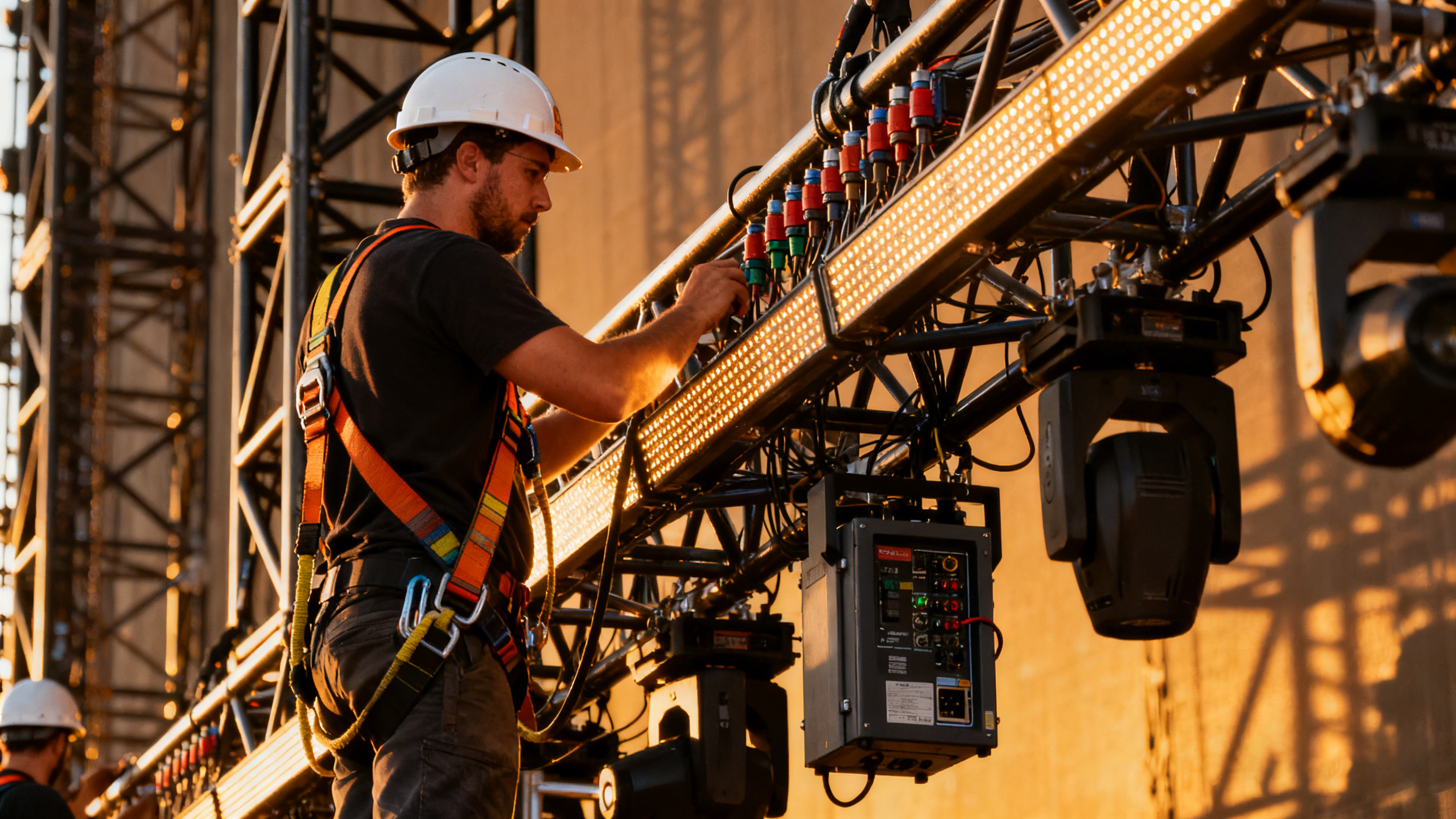
The competitive ecosystem features established players and innovative startups:
-
ROBINSON Lighting: Market leader with 28% share, known for its ArmorPixel series that withstands outdoor festival conditions with IP67 rating.
-
QuantumFX: Disruptor focusing on AI-driven content generation, where their software automatically creates pixel patterns based on audio analysis.
-
Eclipse Stage Technologies: Specialist in ultra-lightweight flexible matrices used in touring productions where weight is critical.
-
Asian Manufacturing Surge: Chinese manufacturers like LightSky and ACME have captured 35% of the market by offering 40% cost savings without compromising on core specifications.
-
Challenges and Considerations
Despite rapid adoption, industry professionals cite several obstacles:
Complexity Curve: "The learning curve is steep," warns technical director James Morrison. "You're essentially becoming a video programmer, not just a lighting designer. Many veterans struggle with the shift from faders to timelines."
Initial Investment: While TCO is lower over five years, upfront costs remain 3-5x higher than traditional rigs, creating barriers for smaller venues.
Standardization Issues: Incompatible protocols between manufacturers still plague the industry, though the new ANSI E1.11-2024 standard promises universal compatibility by Q2 2025.
Maintenance Challenges: Individual pixel failure, though rare, requires specialized repair skills. Leading companies are now offering "hot-swap" pixel modules that can be replaced without dismantling entire fixtures.
The Road Ahead: 2025 and Beyond
Industry visionaries predict several transformative trends:
Volumetric Lighting: Next-generation pixel lights will incorporate depth-sensing technology, creating true 3D light sculptures that performers can physically interact with. Early prototypes by MIT Media Lab demonstrate pixel arrays that respond to movement at 1,000 fps.
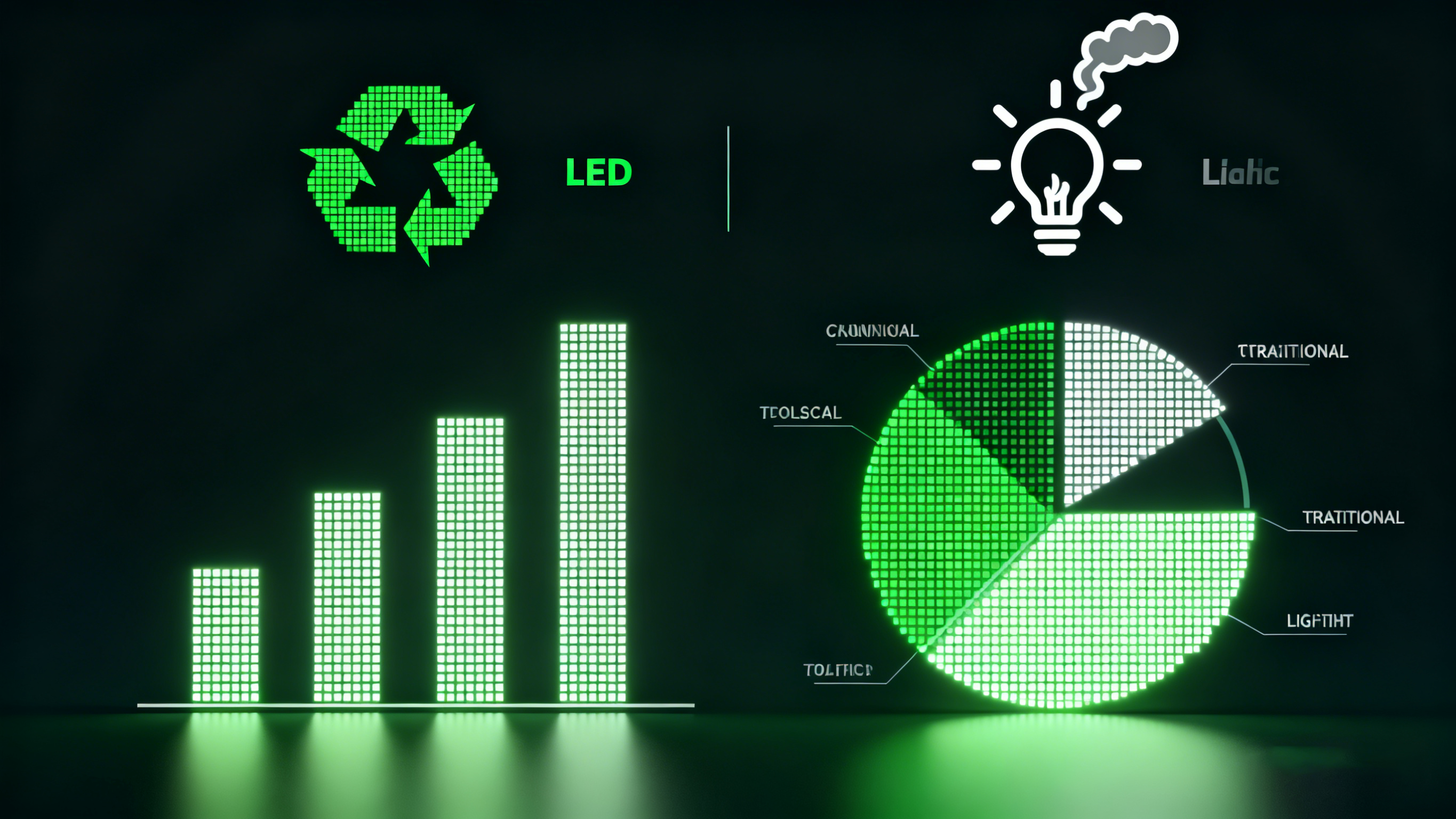
Sustainable Innovation: Bio-based LED materials derived from algae proteins promise to reduce carbon footprint by 80%, while solar-powered pixel systems for outdoor festivals are entering final testing phases.
Democratization of Technology: Subscription-based lighting-as-a-service models are emerging, allowing schools and community theaters to access professional-grade pixel systems for monthly fees as low as $299.
AI Integration: Machine learning algorithms will soon predict desired lighting states based on rehearsal footage, automatically generating pixel patterns that match directorial intent, cutting programming time by up to 70%.